




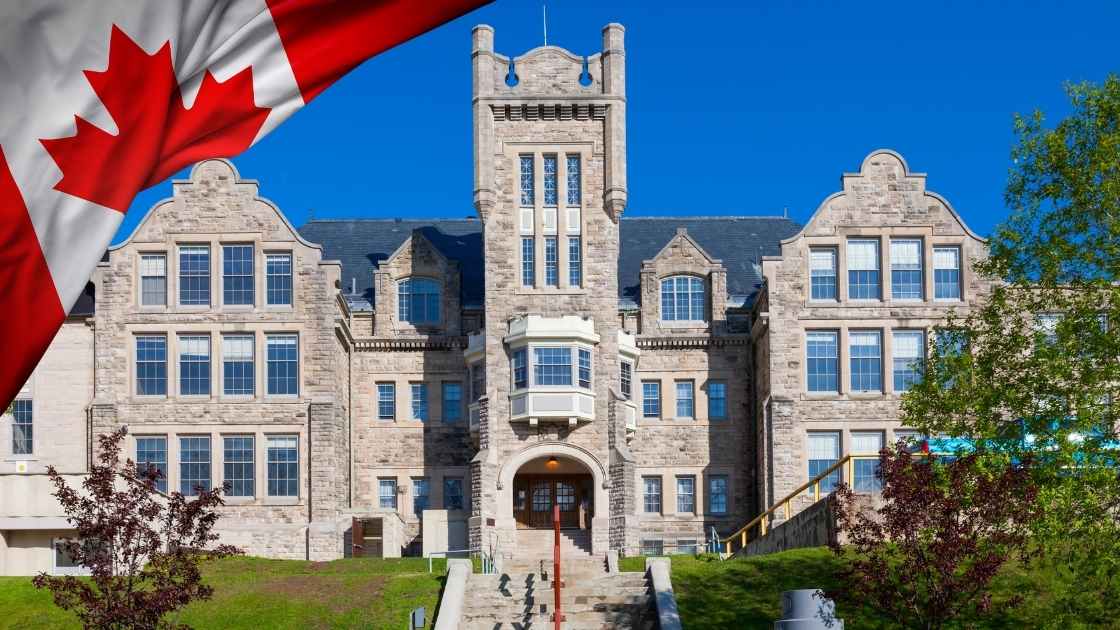
Studying in Canada offers Gambian students access to globally recognised qualifications, post-study work options, and clear pathways to permanent residence. If you’re applying from The Gambia, this 2025 guide explains the exact steps, documents you’ll need, and common mistakes to avoid—so you can apply with confidence.
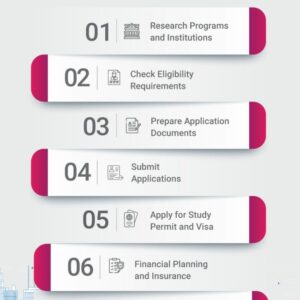
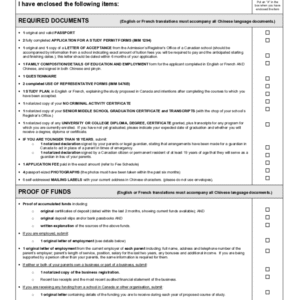
Step 1: Choose the Right Program & Institution
Start by selecting a Designated Learning Institution (DLI). Only DLIs can issue the Letter of Acceptance required for a study permit.
Popular program choices
-
Diploma / Advanced Diploma
-
Bachelor’s Degree
-
Postgraduate Certificate / Master’s Degree
What to check
-
Program relevance to your academic or work background
-
Tuition fees and intakes (Fall, Winter, Spring)
-
Location and living costs
Tip: Programs aligned with your career goals make your application stronger.
Step 2: Meet Admission Requirements
Most Canadian institutions will request:
-
Academic transcripts & certificates
-
English proficiency (IELTS, Duolingo, or TOEFL—school dependent)
-
CV (especially for postgraduate programs)
-
Statement of Purpose (SOP)
Tip: A clear, honest SOP is critical. Generic or copied SOPs often lead to refusal.
Step 3: Receive Your Offer Letter
Once approved by the school, you’ll receive an Offer Letter (conditional or unconditional).
-
Review conditions carefully
-
Accept the offer before the deadline
-
Prepare for the tuition deposit
Step 4: Pay Tuition Deposit
Most schools require a deposit (often one semester or one year). After payment, you’ll receive:
-
Official payment receipt
-
Letter of Acceptance (LOA)
Important: Follow the school’s payment instructions exactly.
Step 5: Prepare Proof of Funds
You must prove you can cover tuition + living expenses.
Commonly accepted proofs
-
Bank statements
-
Sponsor letter (parent/guardian)
-
Proof of income or business documents
-
Education loan (where applicable)
Tip: Funds must be genuine, traceable, and consistent with your background.
Step 6: Apply for the Canadian Study Permit
Applications are submitted online and typically include:
-
Letter of Acceptance (LOA)
-
Valid passport
-
SOP (study plan)
-
Proof of funds
-
Medical exam (when requested)
-
Police clearance (when requested)
Note: Applications from The Gambia are processed through regional visa offices.
Step 7: Biometrics & Medicals
After submission:
-
Receive a Biometrics Instruction Letter
-
Attend a biometrics appointment
-
Complete a medical exam with an approved panel physician
Step 8: Decision & Travel Preparation
If approved, you’ll receive:
-
Port of Entry (POE) Letter
-
Visa counterfoil (if applicable)
You’re now ready to travel to Canada 🎉
Can You Work While Studying?
Yes. Most international students can:
-
Work up to 20 hours per week during classes
-
Work full-time during scheduled breaks
Many programs also qualify graduates for the Post-Graduation Work Permit (PGWP).
Common Reasons for Refusal (Avoid These!)
-
Weak or inconsistent SOP
-
Unclear study purpose
-
Insufficient or questionable funds
-
Program not related to prior studies/work
-
Incomplete documentation
Final Advice for Gambian Students
Studying in Canada is a serious investment. Be cautious of anyone who:
-
Guarantees visas
-
Skips proper eligibility assessment
-
Downplays refusal risks
Need Professional Guidance?
At Gomez Travel & Study Abroad Consultancy, we:
-
Assess eligibility honestly
-
Apply only to recognised institutions
-
Assist with SOPs, payments, and documentation
-
Guide you from application to travel
📍 Office: Brikama, The Gambia
📞 WhatsApp: +220 5149855
🌐 Website: www.gomeztravels.com
We do not issue visas. We provide professional guidance and facilitation.